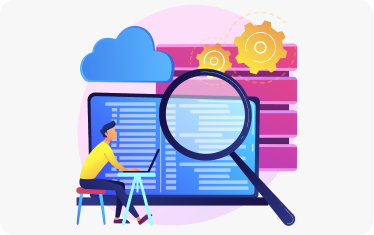
Data Discovery & Classification
Data discovery and classification automatically scan and identify sensitive information across endpoints, servers, databases, and cloud environments. Using predefined templates and customizable policies, it classifies data such as Personally Identifiable Information (PII), financial records, healthcare data, and intellectual property. This structured tagging provides complete visibility into where critical data resides and how it is used.
By establishing a clear data inventory, organizations can prioritize protection efforts, enforce targeted policies, and reduce the risk of accidental exposure or unauthorized access.
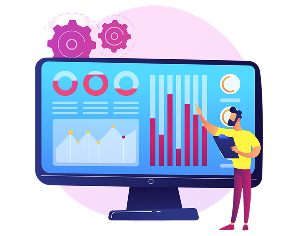
Real-Time Data Monitoring
Real-time data monitoring continuously tracks how data moves across devices, networks, and applications. It provides live visibility into user activity, file transfers, and data sharing behaviors. Advanced analytics and alerts help detect anomalies, suspicious patterns, or policy violations as they occur. This enables security teams to take immediate action to prevent data leaks.
With constant oversight, organizations can shift from reactive to proactive security, ensuring that potential threats are identified and mitigated before they escalate into major incidents.
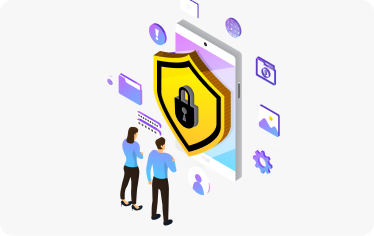
Policy-Based Data Protections
Policy-based data protection allows organizations to define granular rules governing how sensitive data can be accessed, shared, or transferred. Policies can be tailored based on user roles, data sensitivity, device compliance, and location. These rules are enforced automatically, ensuring consistent security across all environments.
Whether restricting file downloads, blocking external sharing, or controlling access to critical systems, policy-based controls minimize human error and unauthorized actions while aligning data protection with business and regulatory requirements.
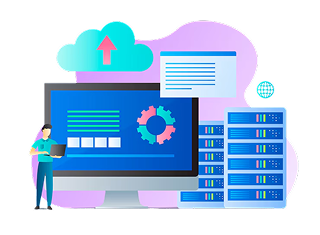
Endpoint Data Protection
Endpoint data protection secures sensitive information on laptops, desktops, and mobile devices, which are often the most vulnerable points in an organization. It prevents unauthorized activities such as copying data to USB drives, taking screenshots, printing confidential files, or storing data locally. This is especially critical in remote and hybrid work environments where devices operate outside traditional network perimeters. Enforcing strict controls at the endpoint level, organizations can significantly reduce the risk of data leakage and maintain consistent security across distributed workforces.
Cloud & SaaS Data Security
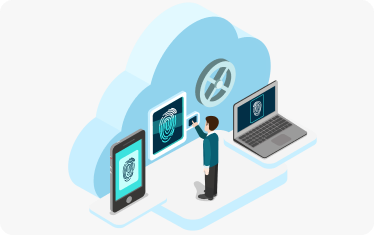
Cloud and SaaS data security extends DLP capabilities to cloud platforms and applications such as email, file-sharing tools, and collaboration platforms. It monitors and controls how data is uploaded, shared, or accessed in cloud environments. Organizations can enforce policies to prevent unauthorized sharing, restrict external access, and detect risky behaviour. As businesses increasingly rely on cloud services, this feature ensures that sensitive data remains protected beyond on-premise systems, maintaining security and compliance across hybrid and multi-cloud ecosystems.
Email & Communication Protection
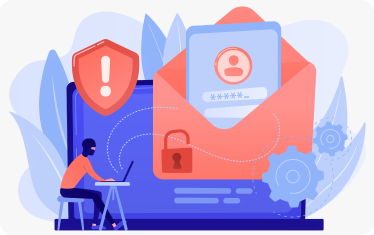
Email and communication protection safeguards one of the most common channels for data leakage. It scans outbound emails, attachments, and messages for sensitive content based on defined policies. If a violation is detected, the system can block, encrypt, or quarantine the communication. This helps prevent accidental sharing of confidential information as well as intentional data exfiltration.
By securing communication channels, organizations can significantly reduce the risk of breaches while maintaining smooth and secure collaboration across teams and external stakeholders.

Insider Threat Detection
Insider threat detection focuses on identifying risks originating from within the organization—whether intentional or accidental. Using behavioural analytics and machine learning, it monitors user activities such as unusual login patterns, large data transfers, or repeated policy violations. When anomalies are detected, alerts are triggered for immediate investigation. This proactive approach helps organizations identify potential threats early and take corrective action before significant damage occurs, strengthening overall security posture and reducing the likelihood of internal data breaches.
Encryption & Data Masking
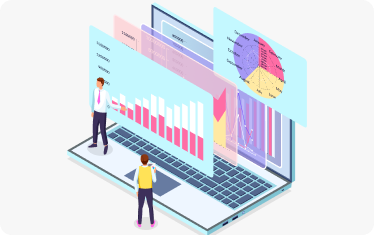
Encryption and data masking provide an additional layer of protection for sensitive information. Data is encrypted both at rest and in transit, ensuring that even if it is intercepted or accessed without authorization, it remains unreadable. Data masking further protects sensitive fields by obscuring them during processing or sharing. These techniques are essential for safeguarding critical information while enabling secure collaboration. Together, they ensure confidentiality, integrity, and compliance with data protection standards across all environment
Compliance & Audit Reporting
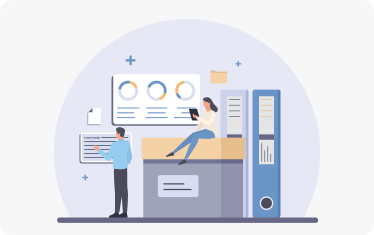
Compliance and audit reporting help organizations meet regulatory requirements and maintain transparency in data handling practices. The system generates detailed reports and audit logs that track data access, policy enforcement, and security incidents. These insights are essential for demonstrating compliance with regulations such as DPDP and global data protection standards. By simplifying audits and providing clear visibility into data activities, organizations can reduce compliance risks, avoid penalties, and build trust with customers, partners, and regulators.
